Source medical littman stethoscope for Home Hospital and Clinic
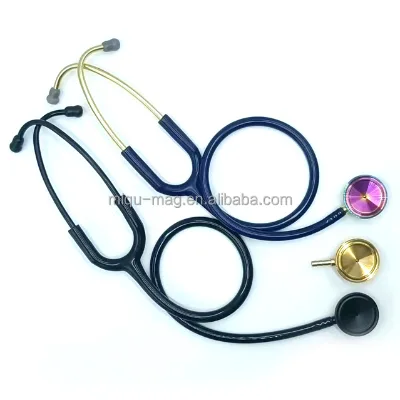
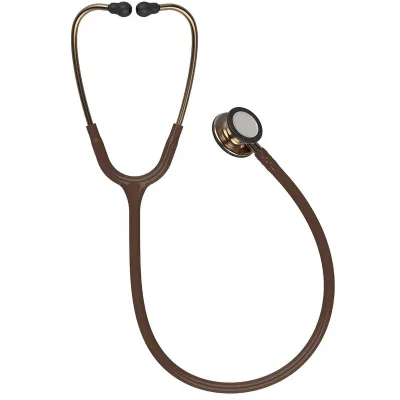
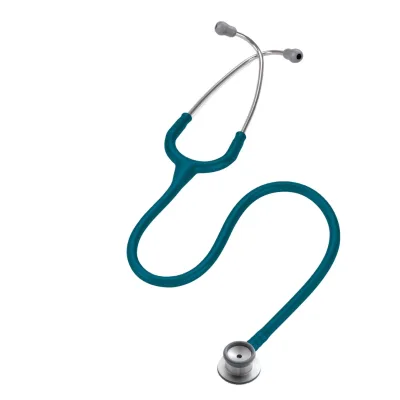
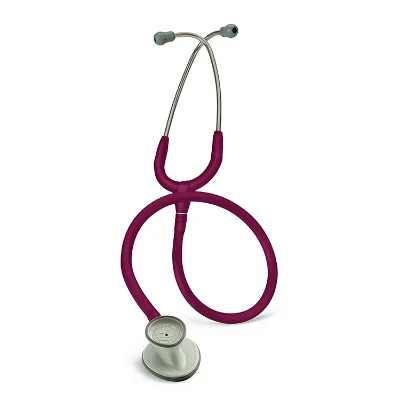
Compare 30 medical littman stethoscope options from verified Chinese suppliers. Buyers can evaluate features like heart rate measuring, blood pressure checking, and durability across different models and certifications. Explore diverse specifications including metal and plastic materials, CE ISO certifications, and custom logo availability for professional medical devices used in home and hospital settings.
Key considerations
Products List




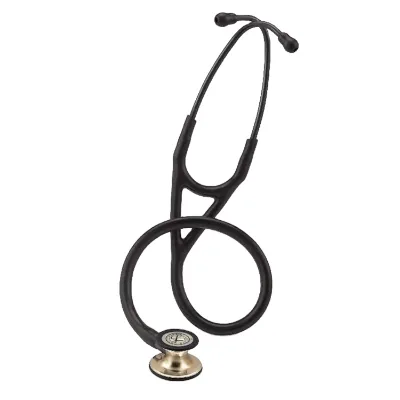
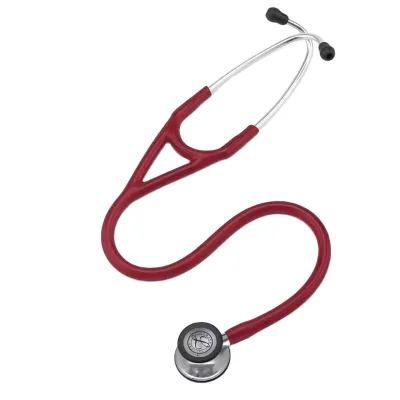
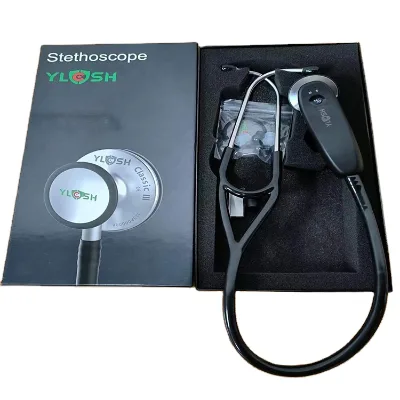
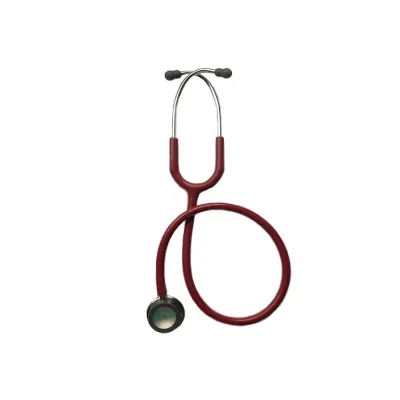


Comprehensive Sourcing Guide
Medical Littman Stethoscope Sourcing Guide
Procuring high-quality stethoscopes requires a clear understanding of the distinction between branded Littman models and generic professional alternatives available in the global market. While Littman is a recognized industry standard for acoustic precision, many suppliers offer comparable devices under different brand names such as JAM or SZMIQU, which may provide similar functionality at varying price points. Buyers must evaluate whether the specific acoustic performance and durability of a branded unit justify the premium cost or if a generic professional device meets their clinical needs. This decision often hinges on the intended use case, whether for routine home monitoring or rigorous professional hospital diagnostics.
The sourcing landscape for these medical instruments is diverse, with manufacturers primarily located in regions like Guangdong and Zhejiang in China. These suppliers often provide customization options, including OEM branding and custom colors, which can be advantageous for institutional procurement where uniformity and brand visibility are important. However, the term "Littman" is frequently used in search queries to denote a style or quality tier rather than a specific manufacturer. Buyers should therefore focus on verifying the actual product specifications, material composition, and acoustic properties rather than relying solely on brand associations, ensuring that the selected device aligns with their specific clinical requirements and budget constraints.
Product Scope and Observed Listing Signals
The current market listings for stethoscopes reveal a wide range of product attributes, with observed prices spanning from approximately $0.10 to $265.16 USD. This significant variance suggests that buyers will encounter everything from basic, single-use or low-cost diagnostic tools to high-end, durable professional instruments. The minimum order quantities (MOQ) also vary considerably, ranging from just one unit to as high as 10,000 pieces, indicating flexibility for both individual practitioners and large-scale institutional buyers. Understanding these signals helps in filtering suppliers based on volume requirements and budget, ensuring that the procurement process aligns with the organization's purchasing power and inventory management strategies.
Product names and descriptions often include terms like "medical stethoscope," "heart rate measuring," and "blood pressure checking," highlighting the primary functions of these devices. Materials commonly cited include metal, plastic, steel, and ABS, which contribute to the durability and acoustic properties of the instrument. Some listings specify a shelf life of two to three years, while others emphasize features like accurate measurement and convenience. Buyers should carefully review these details to ensure that the product's physical attributes and functional claims match their clinical expectations, paying particular attention to the weight and package dimensions which can impact portability and storage efficiency.
Technical Specifications to Verify
When evaluating technical specifications, buyers should prioritize the acoustic performance and material integrity of the stethoscope. Key attributes to verify include the type of tubing, the chest piece material, and the diaphragm or bell design, as these directly influence sound transmission and patient comfort. Listings may mention models such as "30m" or "SW-ST54," but these identifiers should be cross-referenced with detailed technical datasheets to ensure compatibility with specific clinical applications. Additionally, the power source is noted as manual for these devices, meaning buyers should focus on mechanical reliability rather than electronic components, ensuring that the device functions effectively without external power sources in various clinical environments.
Accuracy and classification are also critical technical factors, with some products claiming a 99% accuracy rate and being classified as Class II medical devices or biological diagnostics. Buyers must verify these claims through independent testing or supplier-provided validation data, as accuracy is paramount for reliable diagnostic outcomes. The single gross weight of the product, ranging from 0.800 kg to 1.0 kg, can also impact user fatigue during extended use, so ergonomic design should be considered. Furthermore, the availability of customization options, such as custom logos or colors, should be assessed to determine if these features add value to the procurement decision or if they introduce unnecessary complexity and cost.
Compliance and Safety Documentation
Compliance with safety standards is non-negotiable for medical stethoscopes, and buyers must ensure that suppliers provide valid certification documentation. Common certifications observed in listings include CE, ISO, and FDA approvals, which indicate adherence to international quality and safety regulations. The safety standard GB2626-2006 is also mentioned, which may relate to specific regional requirements or material safety. Buyers should request copies of these certificates and verify their authenticity with the issuing bodies to mitigate the risk of procuring non-compliant products. This due diligence is essential for maintaining regulatory compliance in healthcare settings and protecting patients from potential harm.
Quality certifications such as "Coated Back Paper" are listed, which may refer to packaging or labeling standards rather than the device itself. Buyers should clarify the scope of these certifications to ensure they apply to the medical device's performance and safety. Additionally, the warranty period, typically one year, and after-sale services like return and replacement or online technical support, are important considerations for long-term reliability. Buyers should negotiate clear terms for warranty claims and support services to ensure that any defects or issues can be resolved promptly, minimizing downtime and ensuring continuous access to reliable diagnostic tools.
Cost Drivers and Commercial Terms
The cost of medical stethoscopes is influenced by several factors, including material quality, brand reputation, and customization options. High-end devices with superior acoustic performance and durable materials will naturally command higher prices, while basic models may be available at lower cost points. Buyers should analyze the total cost of ownership, considering not just the unit price but also shipping, tariffs, and potential maintenance costs. The observed price range of $0.10 to $265.16 USD highlights the importance of balancing cost with quality, ensuring that budget constraints do not compromise the reliability and accuracy of the diagnostic equipment.
Commercial terms such as MOQ, lead times, and payment conditions also play a significant role in the procurement process. Suppliers may offer delivery details of around 15 days, but this can vary based on order volume and customization requirements. Buyers should negotiate favorable terms, including bulk discounts for larger orders and flexible payment schedules, to optimize cash flow and inventory management. Additionally, the availability of online technical support and return policies should be factored into the commercial agreement, providing a safety net for any post-purchase issues and ensuring a smooth procurement experience.
Supplier Qualification and Quality Control
Supplier qualification is a critical step in ensuring the reliability and consistency of medical stethoscope procurement. Buyers should assess suppliers based on their manufacturing capabilities, quality control processes, and track record in the medical device industry. Suppliers located in Guangdong and Zhejiang, China, are common sources, but buyers should verify their production facilities and quality management systems through audits or third-party inspections. This due diligence helps to identify suppliers who can consistently meet quality standards and deliver products that comply with regulatory requirements, reducing the risk of supply chain disruptions and product failures.
Quality control measures should include rigorous testing of acoustic performance, material durability, and safety compliance. Buyers should request sample units for evaluation before placing large orders, allowing them to assess the product's performance in real-world clinical settings. Additionally, suppliers should provide detailed quality assurance documentation, including test reports and inspection records, to verify that each batch of products meets the specified standards. Establishing a strong relationship with qualified suppliers and implementing regular quality checks can help maintain high standards and ensure that the procured stethoscopes remain reliable and effective over their intended shelf life.
Long-Term Procurement Checks
Long-term procurement success depends on continuous monitoring of supplier performance and product quality. Buyers should establish key performance indicators (KPIs) to track metrics such as delivery times, defect rates, and customer satisfaction. Regular reviews of these metrics can help identify potential issues early and allow for proactive corrective actions. Additionally, buyers should stay informed about changes in regulatory standards and market trends, ensuring that their procurement strategies remain aligned with current best practices and clinical requirements. This ongoing vigilance helps to maintain a high standard of care and ensures that the organization continues to benefit from reliable and effective diagnostic tools.
Feedback from end-users, such as healthcare professionals and patients, is also valuable for assessing the long-term suitability of the procured stethoscopes. Buyers should solicit regular feedback to identify any usability issues, durability concerns, or performance gaps that may not have been apparent during initial testing. This user-centric approach can drive continuous improvement in product selection and supplier management, ensuring that the procurement process evolves to meet changing clinical needs. By fostering a culture of continuous improvement and open communication, buyers can build a resilient supply chain that supports high-quality patient care and operational efficiency.
FAQs
What certifications do the medical stethoscopes hold?
The products hold CE and ISO certifications, with some models also featuring FDA approval. These quality certifications ensure the devices meet international safety standards for professional medical use in hospitals and home settings.
Which specifications are available for the stethoscope models?
Available model numbers include 30, 30m, st24, sw-st48, and SW-ST54. These specifications define the specific design and functional capabilities, such as heart rate measuring or blood pressure checking, for different professional medical applications.
Can I customize the color and logo of the device?
Yes, customization is available for both color and logo. Buyers can request customized colors and custom logos to match their brand identity, making these professional medical devices suitable for specific institutional or corporate requirements.
What is the minimum order quantity for these stethoscopes?
The minimum order quantity is 1000 pieces for standard orders. However, some listings indicate an MOQ range starting from 1 unit, so buyers should verify specific supplier requirements before placing an order for professional medical devices.
How long is the shelf life and warranty period?
The shelf life ranges from 2 to 3 years depending on the specific model. Additionally, a one-year warranty is provided, along with return and replacement services or online technical support to ensure product reliability for users.
Where are these medical stethoscopes manufactured?
These devices are manufactured in Guangdong and Zhejiang provinces in China. The products originate from these regions, ensuring they meet the specified safety standards like GB2626-2006 for use in professional medical environments.
What materials are used to construct the stethoscope?
The stethoscopes are constructed using metal, plastic, steel, and ABS materials. This combination ensures durability and accuracy, making them suitable for professional testing and medical diagnostics in various hospital and home settings.